

Why "Pianola"?
The name Pianola derives from the self-playing pianos developed in the early 20th century, and is inspired by the conceptual approach that the framework shares with the mechanism of pianolas.
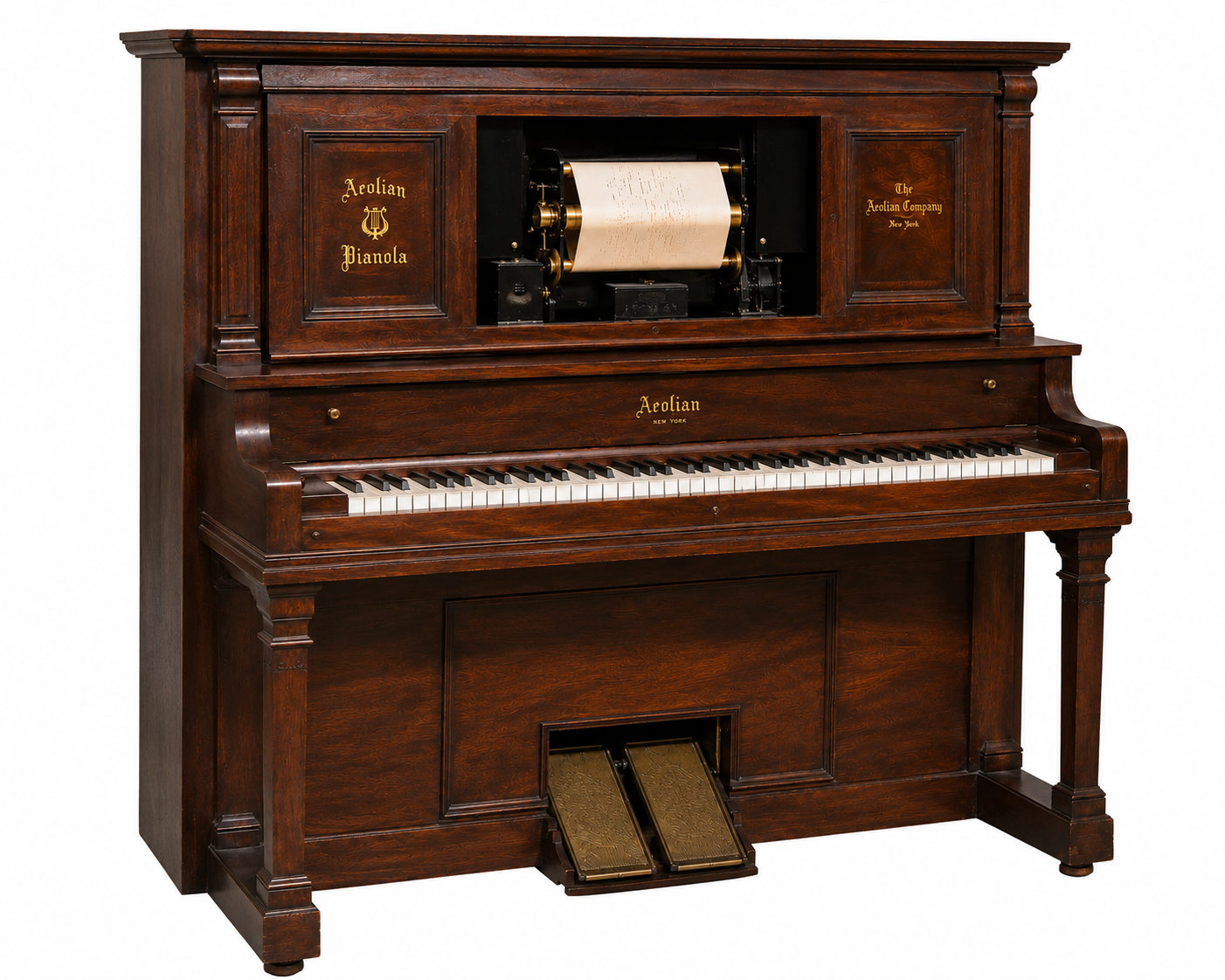
Pianolas made heads turn because they could play music without a pianist. But this was not the only fascinating thing about them. What really made the invention stand out was the fact that they could be fed with rolls of paper with holes punched into them, and each roll determined what piece of music the pianola would play.
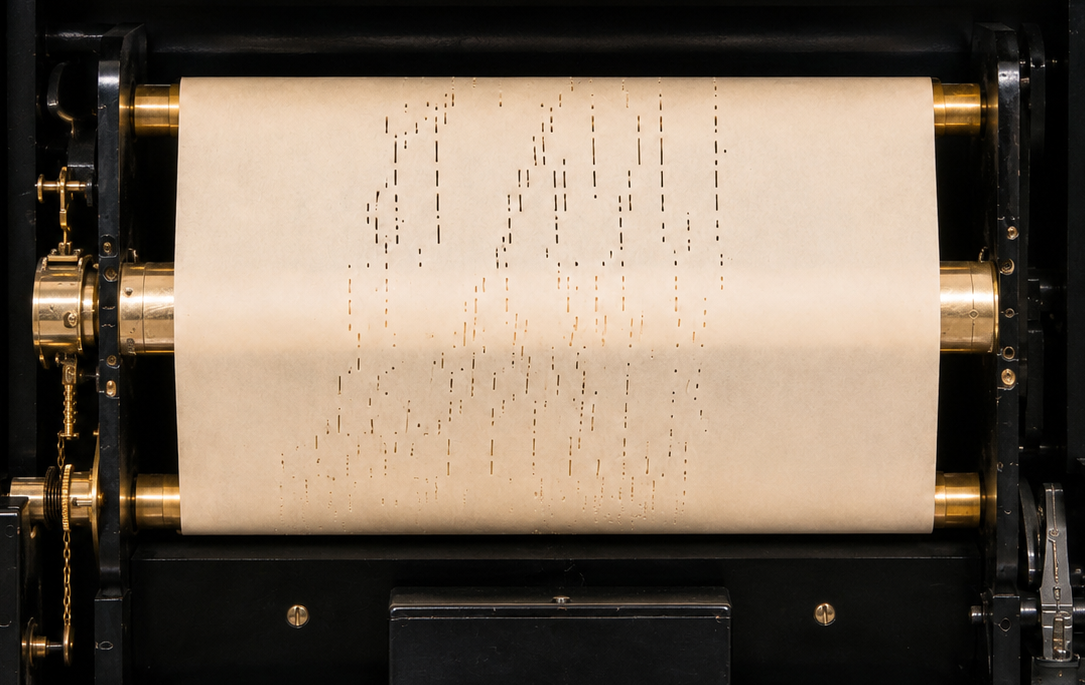
The central idea of the Pianola software framework is the same: there is one core piece of software, which is fed different configuration files, depending on the clients' needs. The resulting database applications are therefore as varied as the pieces of music played.
Just as you did not need to build a new pianola for every tune you wanted to hear, a Pianola app does not need to be programmed from scratch for every client's needs. Building an entirely new piano for a new piece of music would have taken months, while punching holes in a paper roll could be done much faster. Similarly, Pianola applications can be created more quickly because they start from an existing framework rather than from nothing.
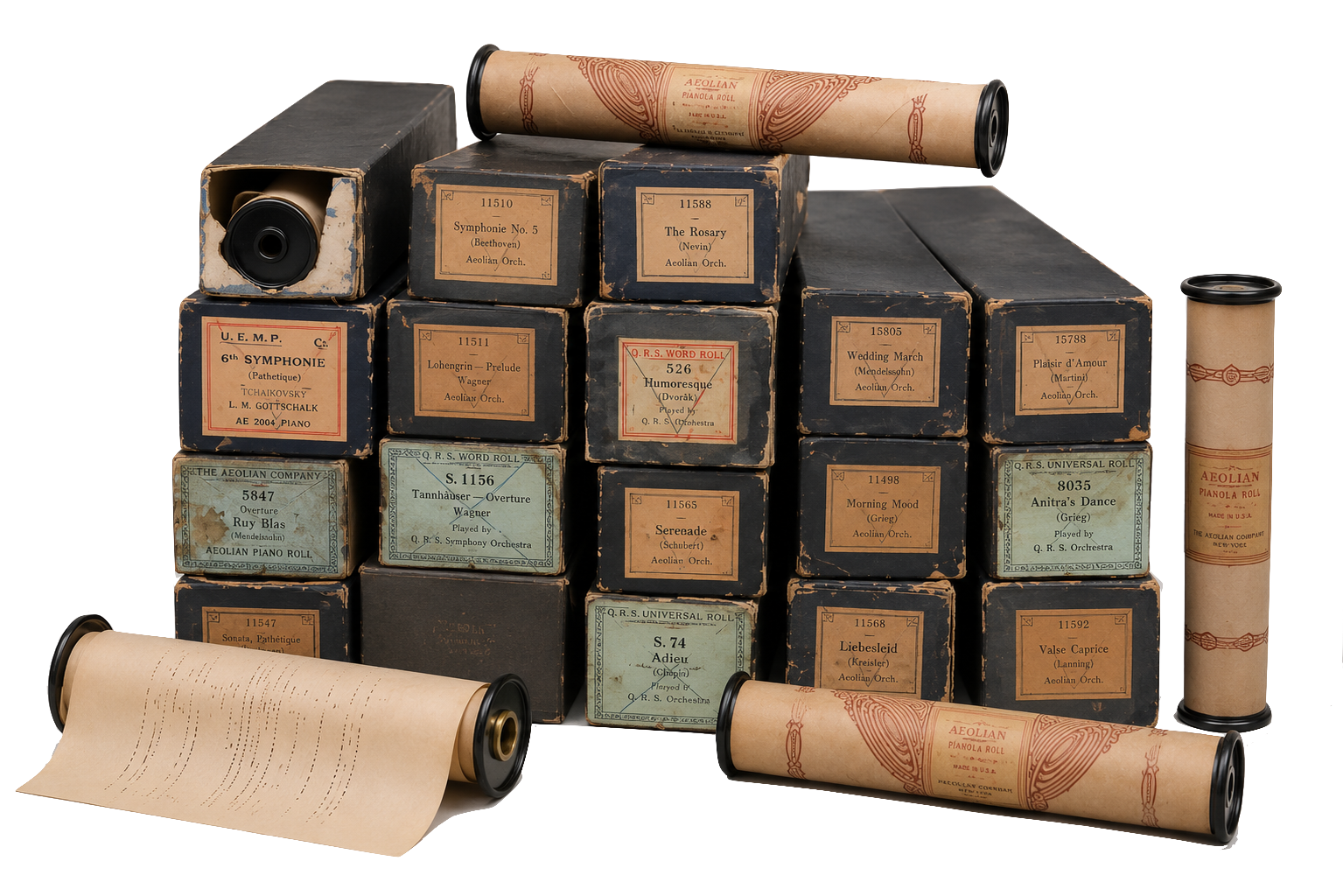
The analogy also extends to the way the instrument itself could evolve. If the mechanism of a pianola was improved, the change affected how the instrument played any paper roll. In the same way, improvements to the Pianola framework affect the shared mechanism rather than one individual application.